We ingest real-world inputs (news, policies, demographics) into a high-fidelity digital sandbox. Thousands of distinct AI agents interact to predict rural patient adoption, emergency surge events, and deployment ROI before a single MSR Health Kiosk is ever built.
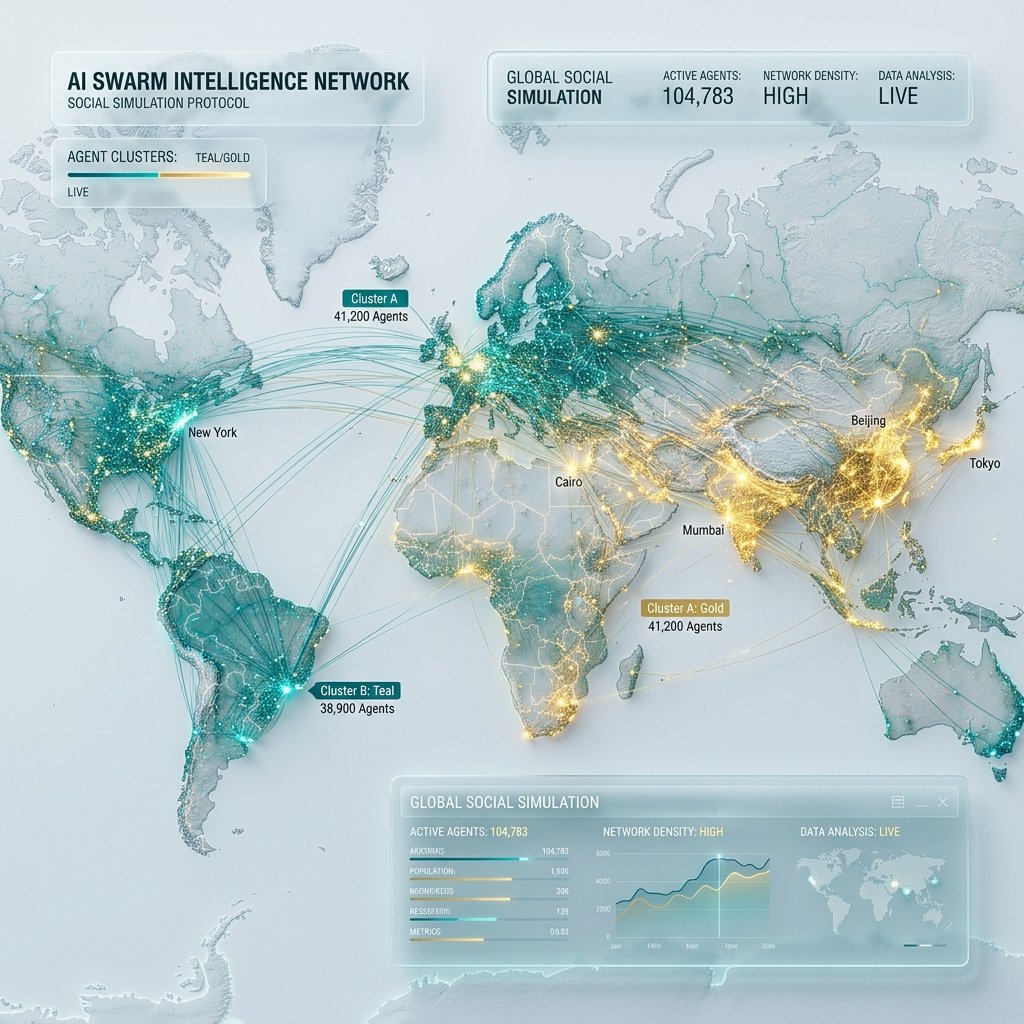
By mapping the exact demographic data, pharmacy locations, and local news of Karnataka's Raichur district onto an open-world sandbox, the AI Simulator allows us to rehearse our strategy at zero risk.
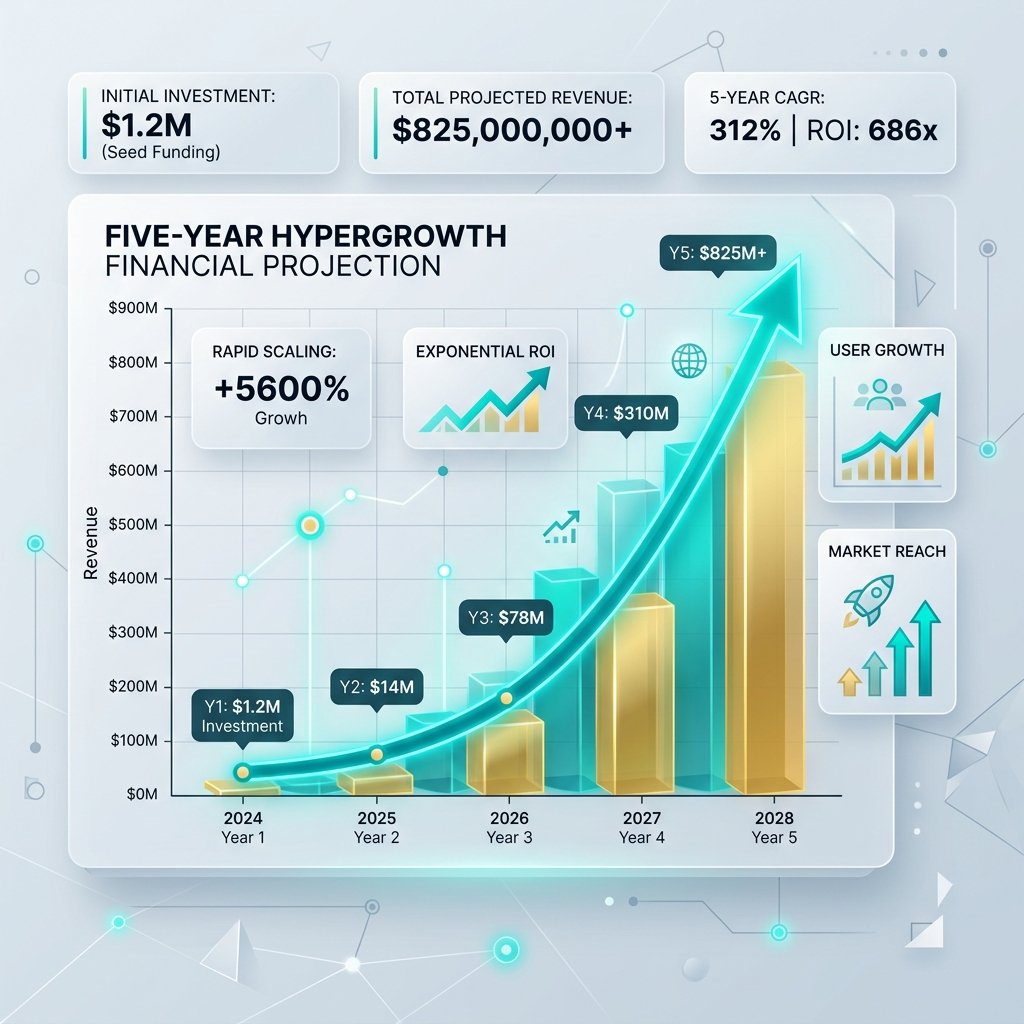
The generated abstract visualization highlights the steep upward growth vector from initial CapEx straight to Year 5 profitability. The simulator runs these scenarios a thousand times, refining the cost variables.
By simulating out-of-pocket expenditure thresholds over 12 months, the swarm logic outputs highly accurate predictions for kiosk transaction volume and the break-even ROI timeline for our investors.
We simulate the "Self-Medication Cycle". The agents possess dynamic memory sets representing distrust of large hospitals. We model how grassroots awareness campaigns rewrite these behavioral nodes.
Where should the 50 Phase 1 Kiosks be placed? By releasing agents onto a parallel map containing the 42km gaps to district hospitals, the model chemically "settles" on the most critical deployment zones.
We automatically feed raw web data into the engine: WHO reports, Karnataka local healthcare policies, breaking news alerts on viral outbreaks, and the exact ratio of specialists (80% urban concentration).
MiroFish extracts personas autonomously. It creates the "Overworked Pharmacist", the "Skeptical Farmer", the "Urban Doctor", attaching unique memory architectures to each via GraphRAG.
We hit "Run". Thousands of interactions trigger cascade events over hours of real-time simulation. The system compiles a post-simulation dashboard that shows: Kiosk Adoption Curve, Revenue Projections, and Avoided Stroke Incidences.
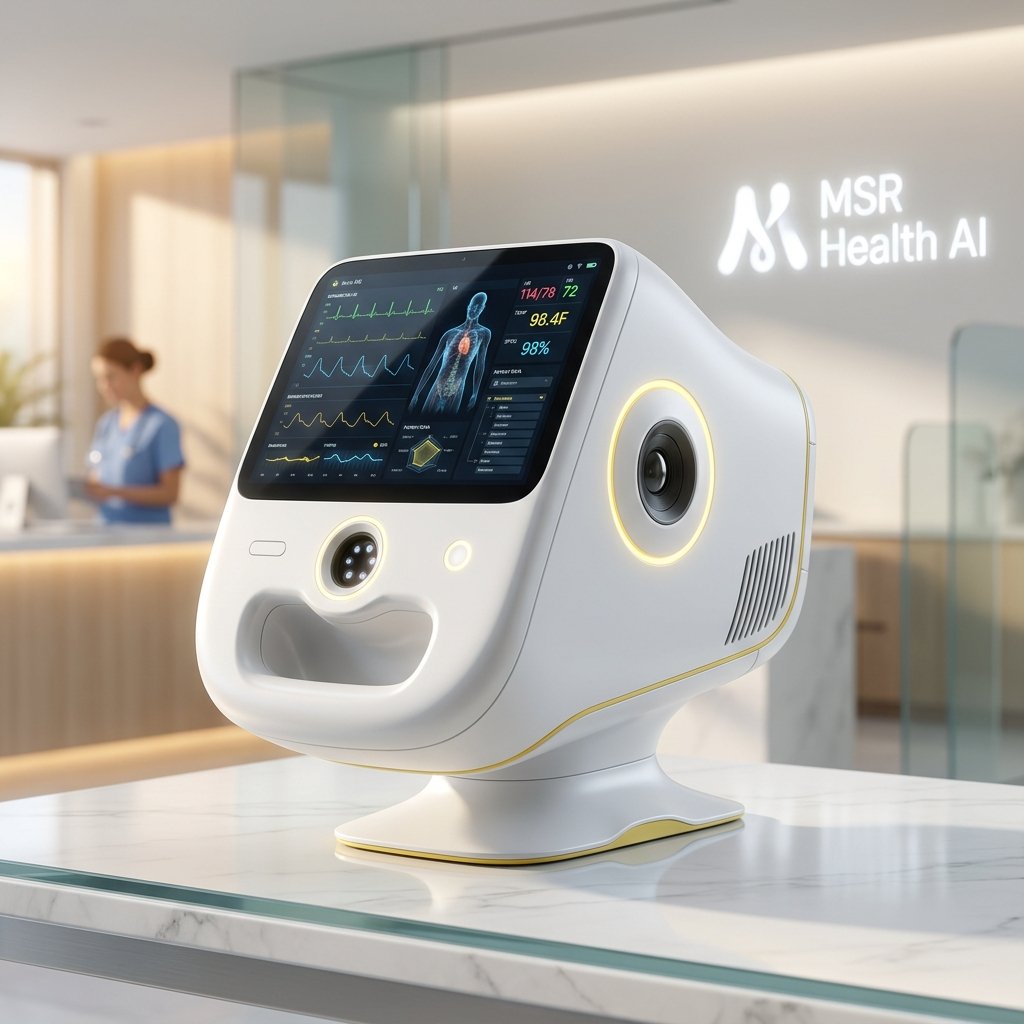
The simulation engine doesn't just predict financial outcomes; it maps hardware interactions. The MSR Diagnostic Device interfaces directly with our simulated patient personas, analyzing latency, usability, and point-of-care vital tracking before field deployment.